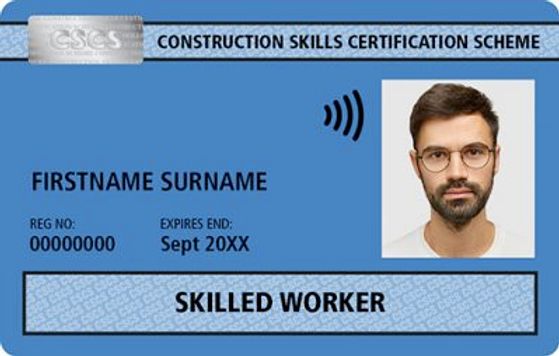
The CSCS Blue Card, also known as the CSCS Skilled Worker Card, is a vital certification for individuals working in the UK construction industry. It confirms that a worker has the appropriate skills, training, and qualifications required to carry out their job safely and effectively on a construction site. Employers across the UK often require this card as proof of competence before allowing access to site work.
To meet the CSCS Blue Card requirements, applicants must hold a recognised construction-related qualification, typically an NVQ Level 2 or equivalent in their specific trade. This may include occupations such as bricklaying, carpentry, plumbing, electrical installation, painting and decorating, plastering, or groundworks. The qualification ensures that the worker has practical experience and technical knowledge relevant to their role.
In addition to the NVQ requirement, applicants must also pass the CITB Health, Safety and Environment (HS&E) test. This test evaluates understanding of essential safety procedures, hazard awareness, and best practices for maintaining a safe working environment on construction sites. The test must have been taken within the last two years at the time of application.
Once both requirements are met, candidates can apply for the CSCS Blue Card through the official CSCS application process. The card is usually valid for five years and must be renewed before expiry to maintain eligibility for site work.
Holding a CSCS Blue Card improves job prospects, increases employability, and demonstrates a strong commitment to health and safety standards. It is widely recognised across the UK construction sector as proof of professionalism and competence.
Whether you are an experienced tradesperson or advancing from a trainee position, meeting the CSCS Blue Card requirements is an important step toward building a successful and long-term career in construction.