
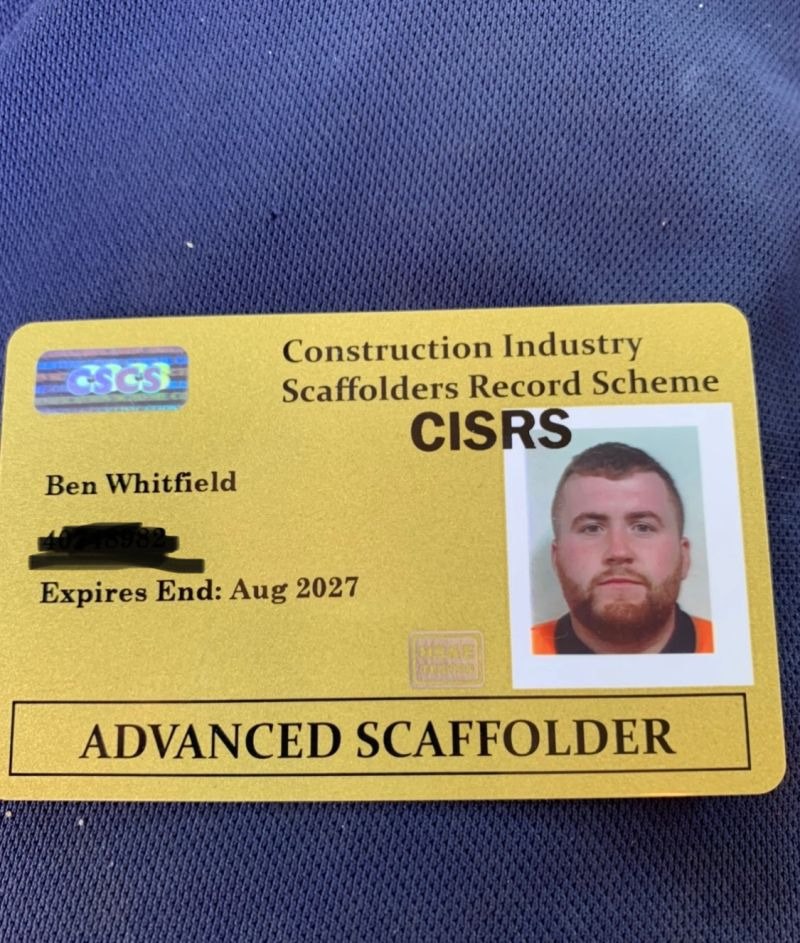
Getting a CISRS Scaffolding Card in the UK involves a structured training and assessment process designed to ensure you have the skills and safety knowledge required to work on construction sites. The card is issued under the Construction Industry Scaffolders Record Scheme, which is the recognised standard for scaffolding competence in the United Kingdom.
The first step is to choose the correct entry level based on your experience. If you are new to the industry, you will typically start with a Labourer or Part 1 scaffolding course. These courses introduce you to basic scaffolding techniques, site safety rules, and working-at-height regulations. If you already have experience, you may be eligible to start at a higher level such as Part 2 or Advanced training.
Next, you must complete an approved training course at a certified CISRS training centre. The training combines classroom learning with practical hands-on experience. You will learn how to safely erect, alter, and dismantle scaffolding structures, use equipment correctly, and identify potential hazards on site. Safety is a major focus throughout the course, including compliance with UK health and safety regulations.
After completing the training, you must pass both theoretical and practical assessments. These tests evaluate your understanding of scaffolding principles and your ability to apply them in real working conditions. Once you successfully pass, you will be eligible to apply for your CISRS Scaffolding Card.
For beginners, the first card issued is usually the Red Trained Operative Card. After gaining sufficient on-site experience (typically 1–2 years), you can progress to the Blue Competent Operative Card, which demonstrates full professional competency.
Getting a CISRS Scaffolding Card is essential for working legally and safely in the UK construction industry. It improves job opportunities, increases earning potential, and provides a clear career path from trainee scaffolder to advanced professional.


